

news and blog

The Invisible World Beneath Your Feet (And Why It Matters More Than You Think)
We’re already releasing engineered microbes into the environment at scale.
They multiply. They spread. They interact with natural systems.
And once they’re out there… there’s no recall.
At Agriton, we believe there’s a better way — working with natural microbial systems using EM1, Actiferm, and Bokashi Bran to build soil, retain nutrients, and support biology, not override it.

why Genuine EM® Matters: Use Less, Get More
What if you only needed 30g per bucket? As bokashi grows in popularity, so do the variations—but not all microbes behave the same. From DIY systems to genuine EM® products, this article explores why some approaches need more input, and how the right biology can make the whole process simpler.
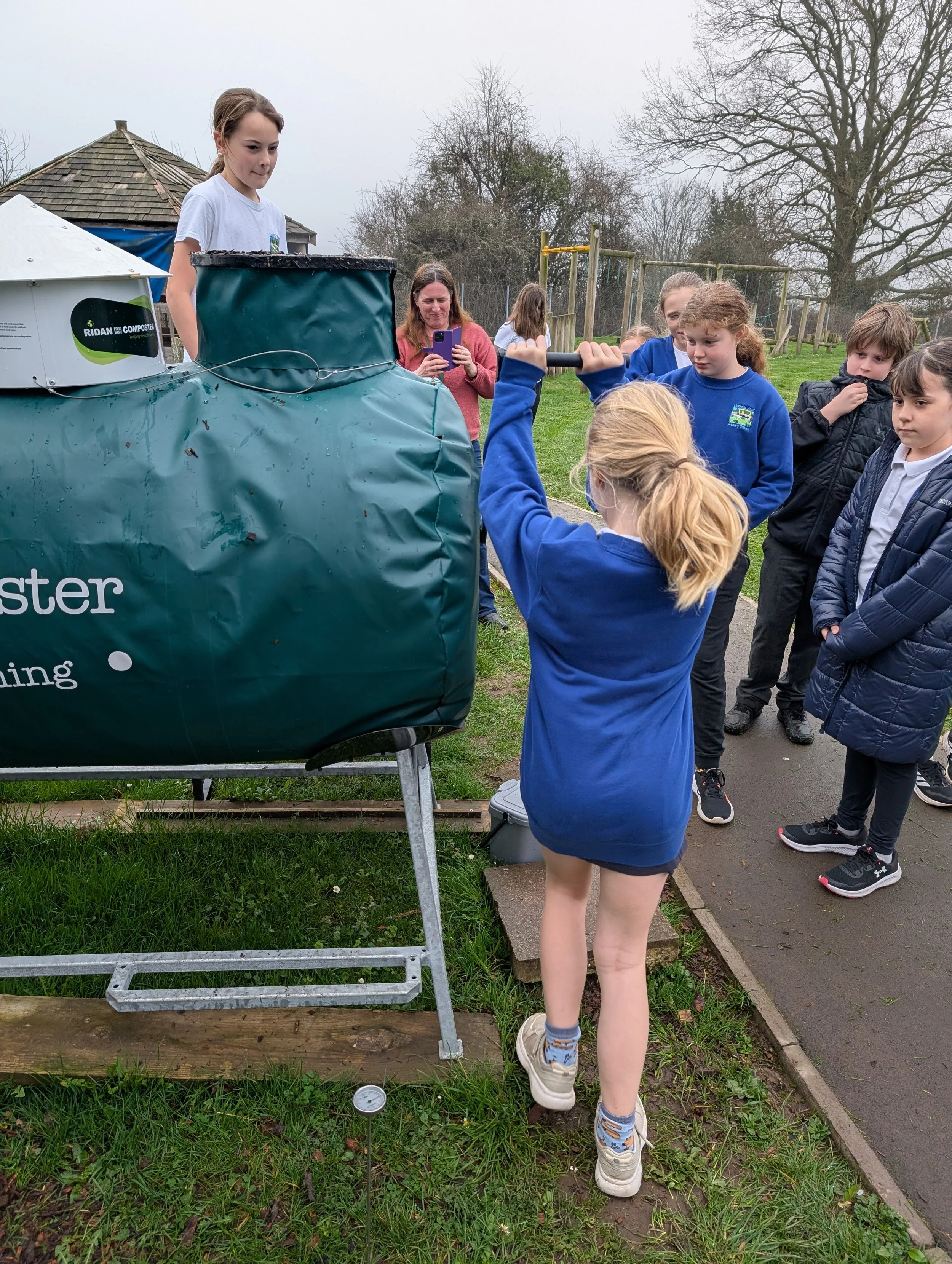
Food Waste Action Week: The School That Refused to Treat Food Like Rubbish
During Food Waste Action Week, Llanfoist Fawr Primary School in Wales is showing how food waste can become a resource. Using Bokashi and a “Big Friendly Composter”, pupils are turning school lunch leftovers into compost while learning about soil, microbes and the circular economy.

How UK Households Can Compost Food Waste at Home: Bokashi Fermentation and the Future of Local Recycling
Food waste doesn’t have to go to landfill, incineration or AD plants. Discover how Bokashi fermentation lets UK households recycle food waste at home and support composting, soil health and community gardens.
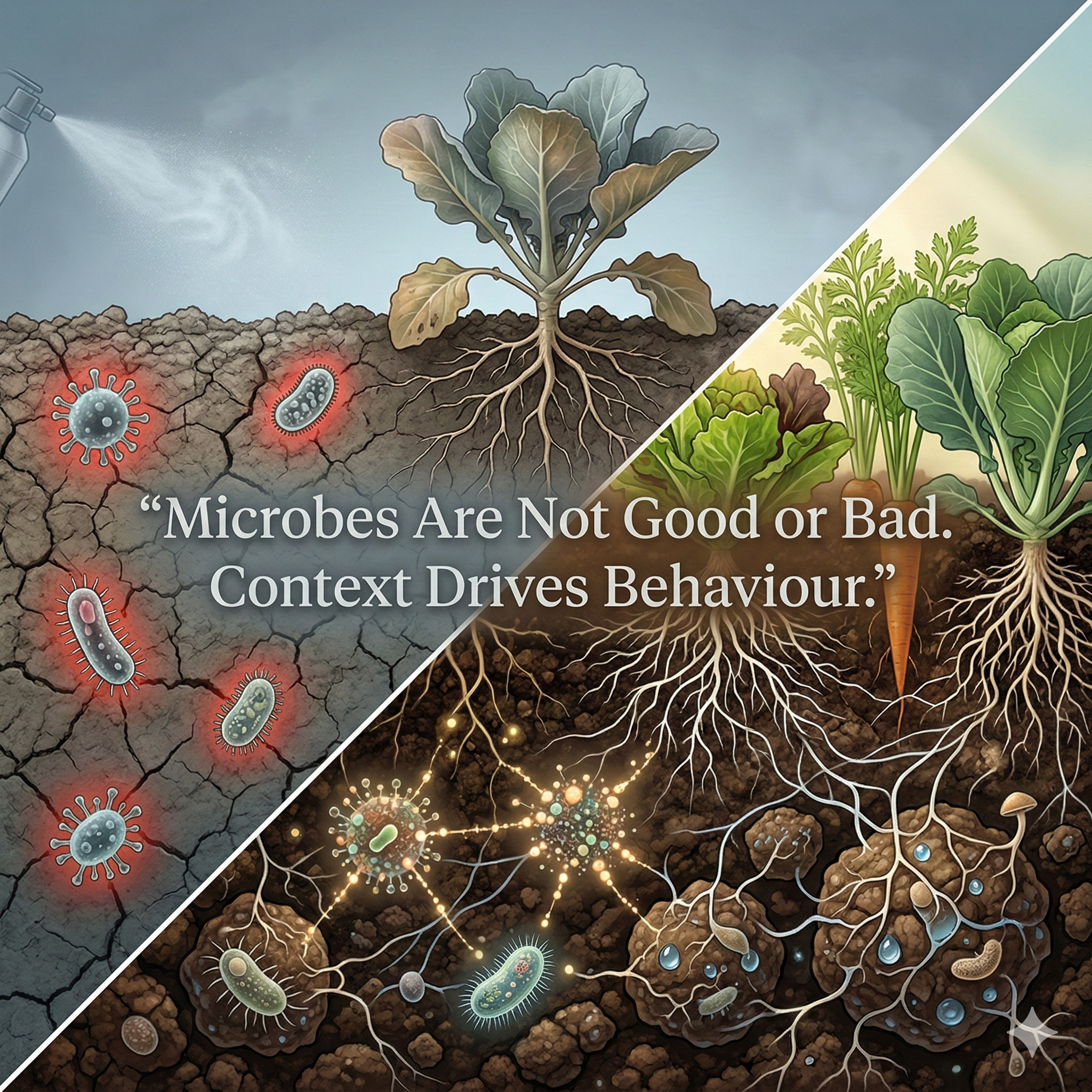
Why Everything You Know About “Bad” Microbes Might Be Wrong
We’ve been taught that some microbes are “good” and others are “bad”. But in UK market gardening and regenerative horticulture, the reality is more complex. Soil microbes respond to context — oxygen levels, nutrition, chemical inputs and carbon flow. When we change the environment, we change microbial behaviour. This shift in thinking could transform how we approach soil health, compost quality and crop resilience.
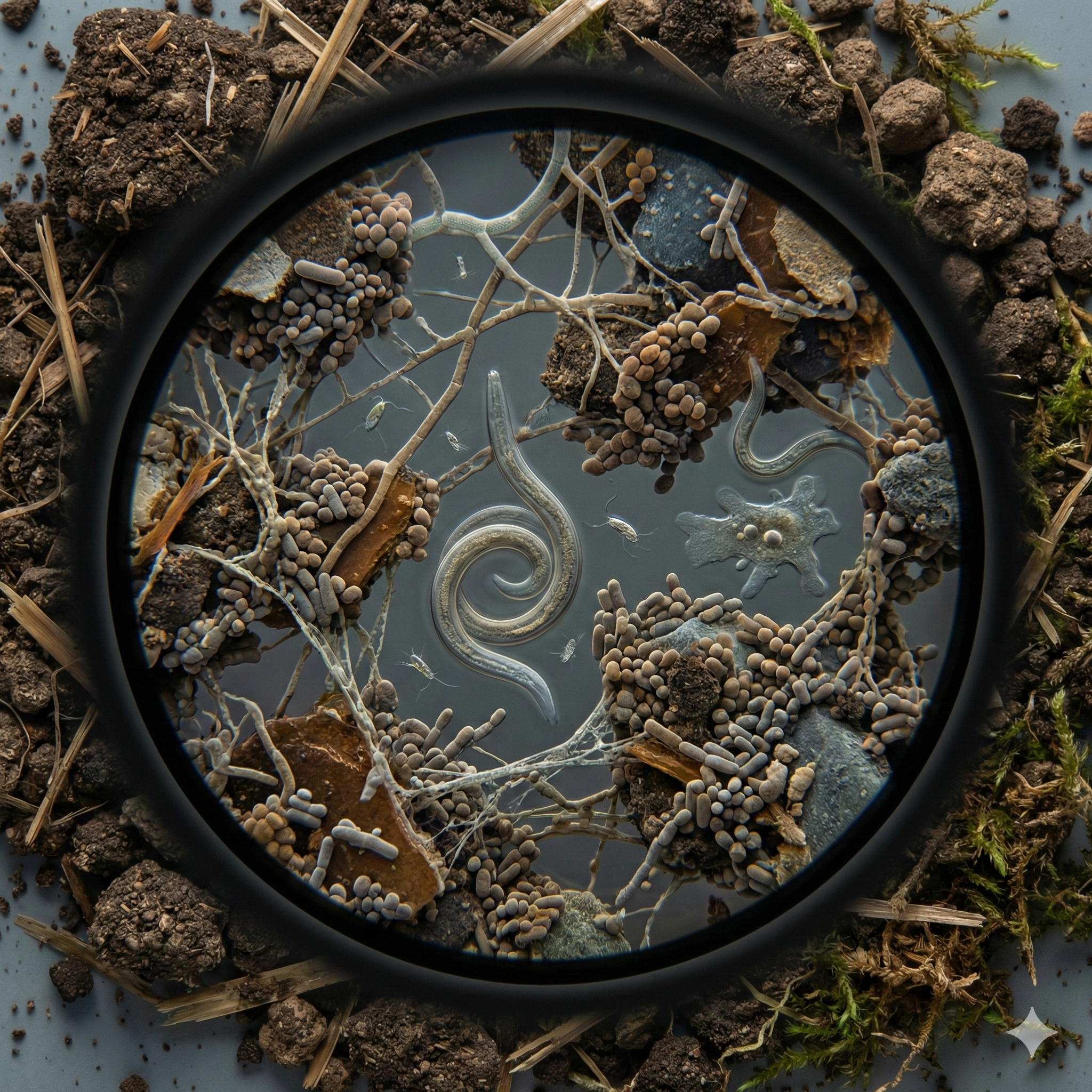
The Hidden Universe Beneath Your Feet
We often judge soil health by what we see above ground — leaf colour, crop yield, plant vigour. But the real engine of resilience operates beneath our feet. Through soil microscopy, the Soil Food Web reveals itself as a structured, communicative ecosystem of bacteria, fungi, protozoa and nematodes working in coordination. From plant-controlled rhizosphere biology to quorum sensing and spontaneous nitrogen fixation, this article explores five powerful insights that transform how we think about regenerative land management — and why learning to properly observe soil life may be the most important skill of all.

Wales’ First Hybrid Bokashi & Ridan School Composting System
Llanfoist Fawr Primary School has become the first school in Wales to implement a hybrid Bokashi and Ridan composting system, safely transforming cooked food waste, meat and dairy into nutrient-rich compost in just 90 days — creating a true seed-to-soil circular economy on site.
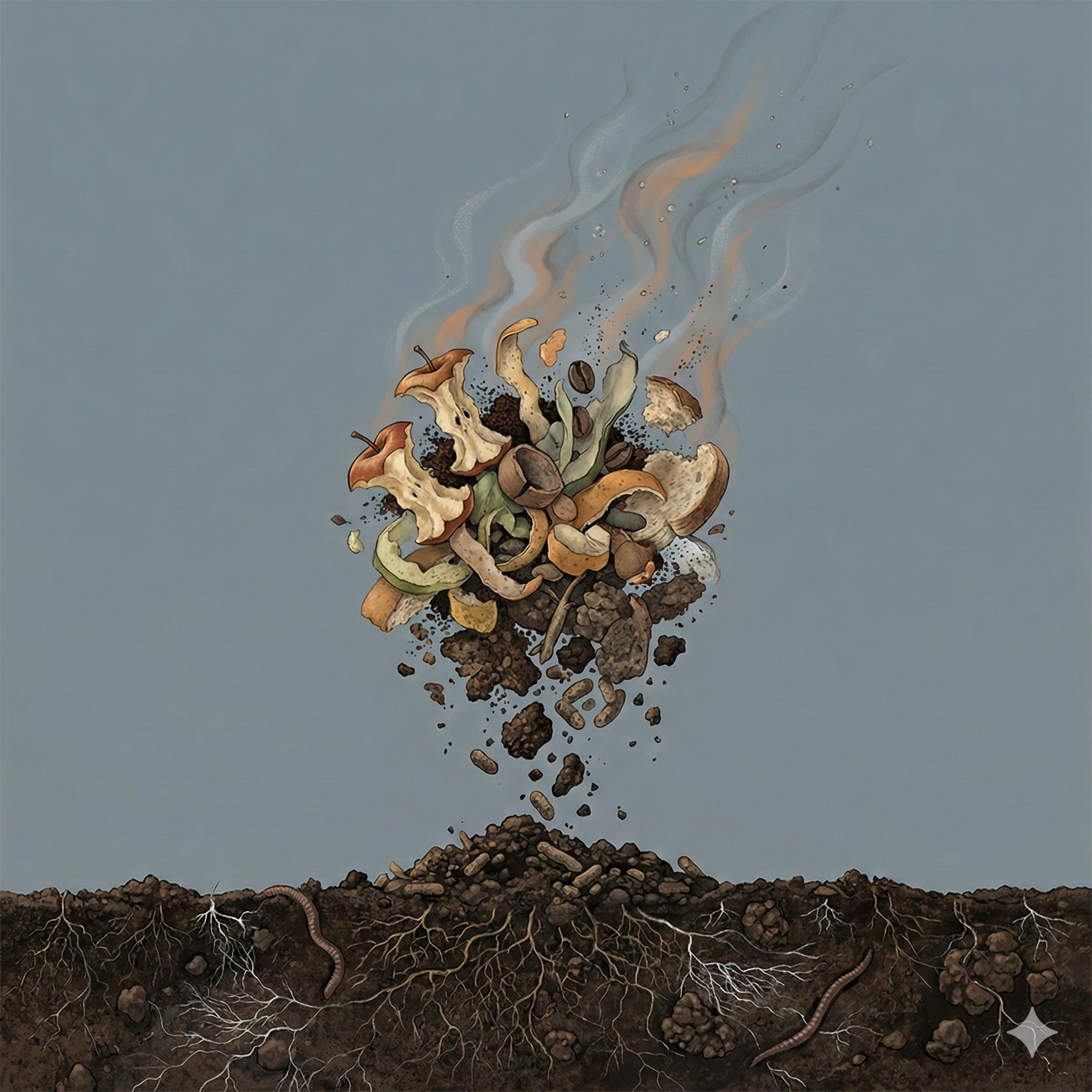
Anaerobic Digestion Isn’t the Only Future for Food Waste
Food waste has been treated primarily as fuel for too long. While anaerobic digestion plays a role, it often comes at the cost of lost nutrients and carbon. Bokashi fermentation offers a soil-first alternative, protecting nutrients before they are lost and returning food waste to soils where it can rebuild fertility and resilience.
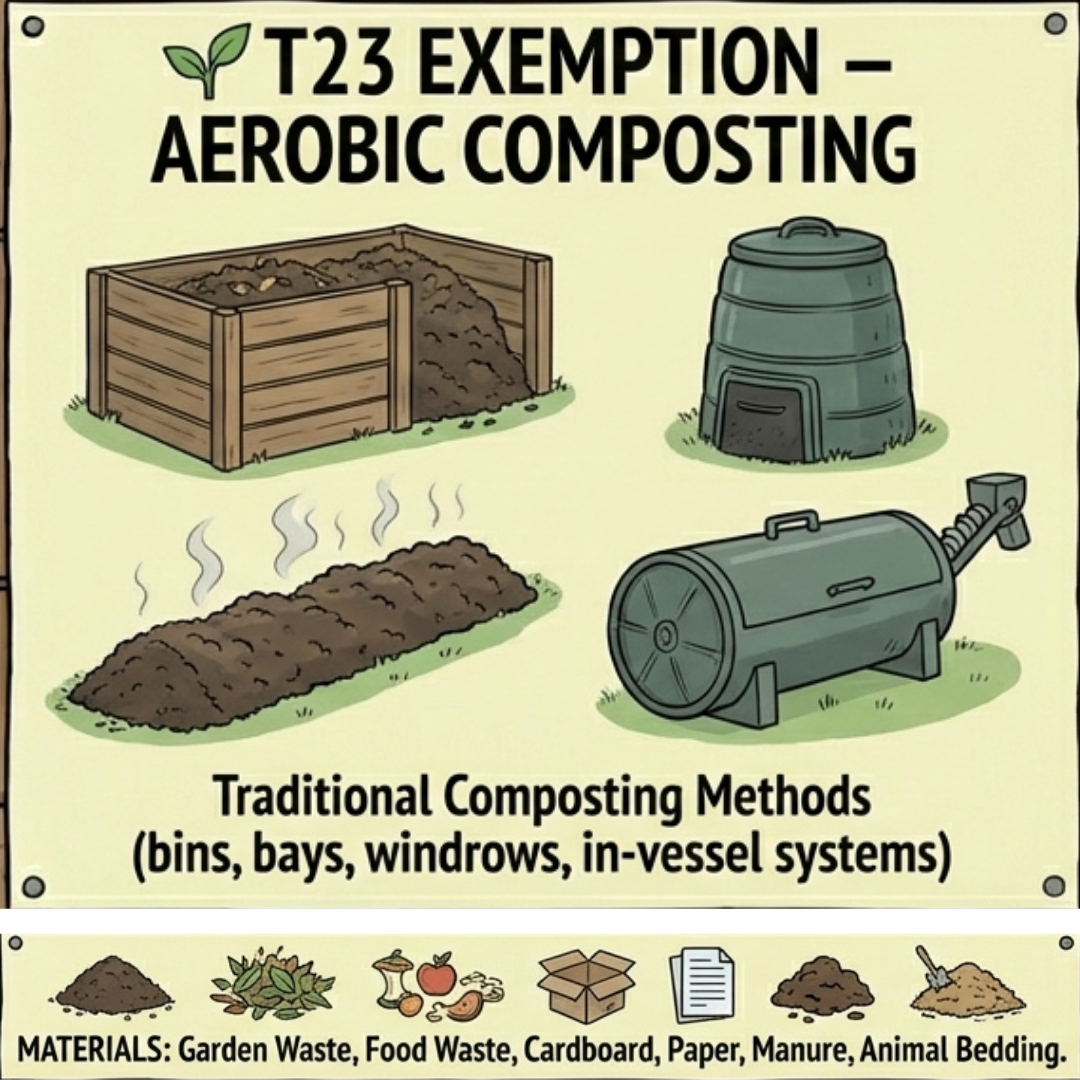
Community Composting in England & Wales: What the Rules Actually Say (and Why They’re Not as Scary as They Sound)
Starting a community composting project?
The rules aren’t as scary as they sound. Schools, community gardens and volunteer groups can legally compost using free exemptions, with practical options like Bokashi and on-site systems making food waste easier than ever to manage locally.
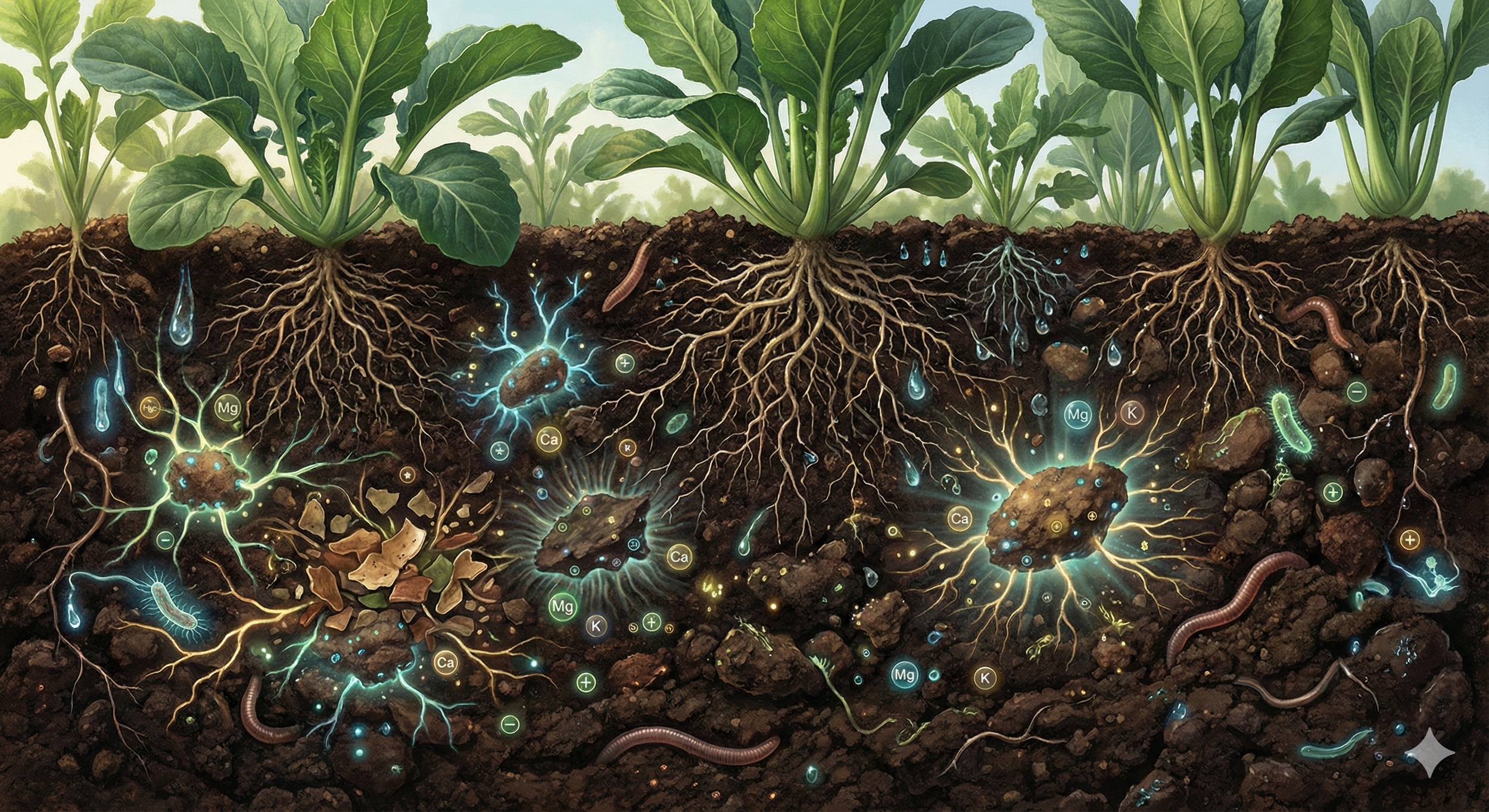
CEC, Bokashi & EM: Building Soil Fertility from the Microbial Level Up
Healthy soil doesn’t chase nutrients — it holds them. By combining Bokashi fermentation with Effective Microorganisms, growers can build CEC, improve nutrient access, and avoid overloading already-full soils. This is long-term fertility built through biology, not quick fixes.